

How Enclosure Fabric Material Affects Light Performance in Golf Simulators
Reflection, transparency, and light absorption — why the surround fabric you choose matters more than you think.
In a golf simulator setup, most attention goes to the projector, the launch monitor, and the impact screen. But there is one component that quietly affects the entire visual experience: the enclosure surround fabric.
The surround fabric panels — the side walls, top, and rear enclosure — play a critical role in controlling how light behaves inside the simulator space. Their job is to contain the environment, block outside light from entering, and prevent stray projector light from bouncing back into the player's field of view.
When the wrong material is used, the result can be distracting glare, light leakage, washed-out projection, or a hazy visual field that reduces simulation quality.
In this article, we compare the light performance of three common enclosure fabric materials — PU, PVC, and velvet — and share professional insights to help you make a better choice for your simulator project.
The enclosure fabric is not just a cover around the frame.
It is a functional light-control layer that directly impacts projection quality and the overall simulator experience.
PU (Polyurethane) Enclosure Fabric — Low Reflection, Full Light Blocking
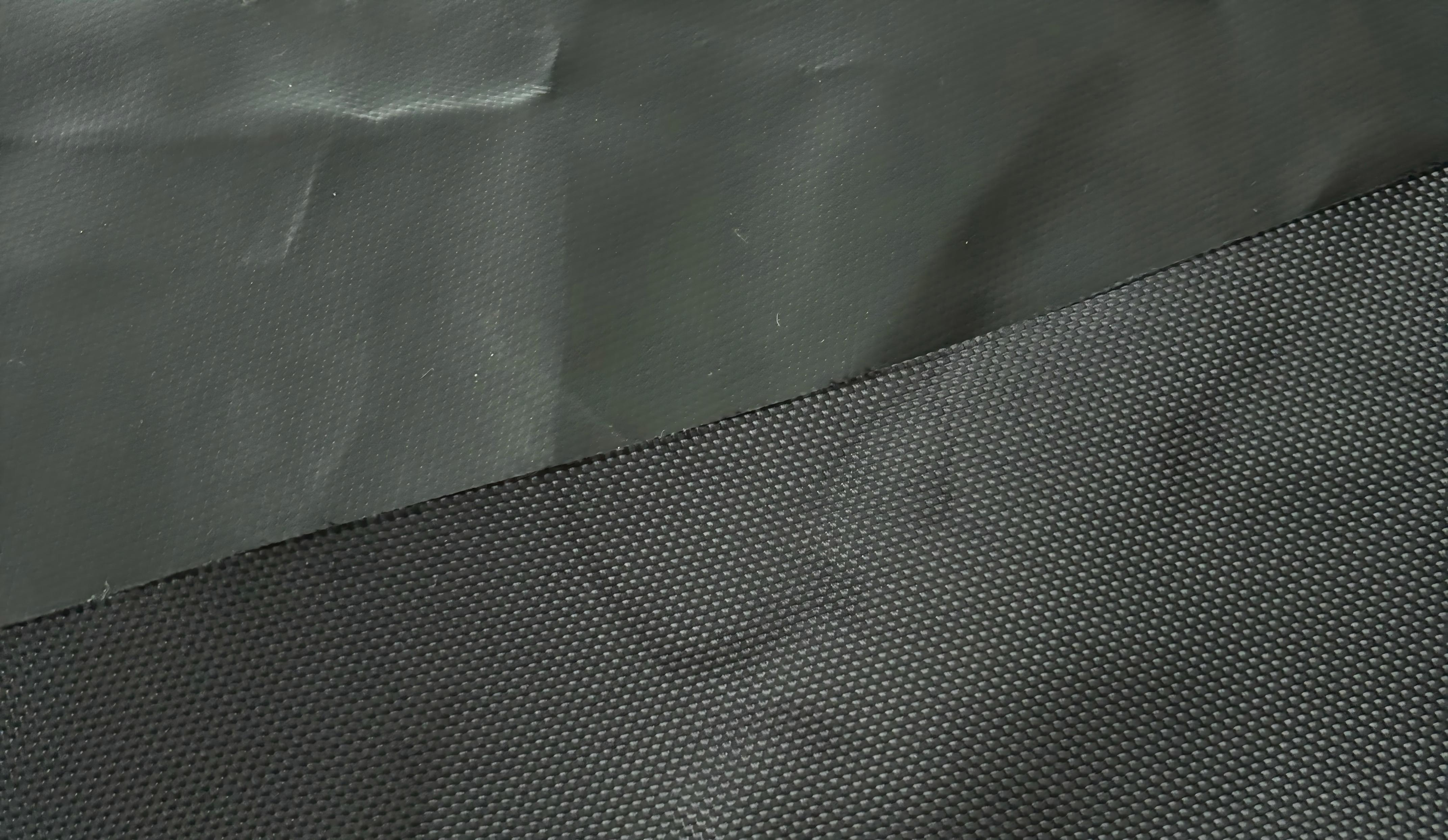
PU-coated fabric is one of the more advanced options for golf simulator enclosure panels. Its key optical advantage is complete opacity combined with minimal surface reflection.
The dense coating structure of PU material blocks all ambient light from passing through the surround panels. Even in rooms with strong overhead lighting or windows nearby, no light bleeds through into the simulator space.
In terms of reflection, PU enclosure fabric performs with micro-level reflectivity. Unless a direct, concentrated projector beam hits the surround panel at close range, the material produces virtually no visible glare. Under normal operating conditions, stray projector light that reaches the side panels is absorbed rather than bounced back toward the player.
This makes PU fabric an excellent choice for enclosure surrounds where maintaining a dark, controlled light environment is the priority.
PVC (Polyvinyl Chloride) Enclosure Fabric — Light Leakage and Strong Glare
PVC is commonly used in many cover and enclosure applications due to its low cost. However, when used as golf simulator surround fabric, its optical performance creates notable problems.
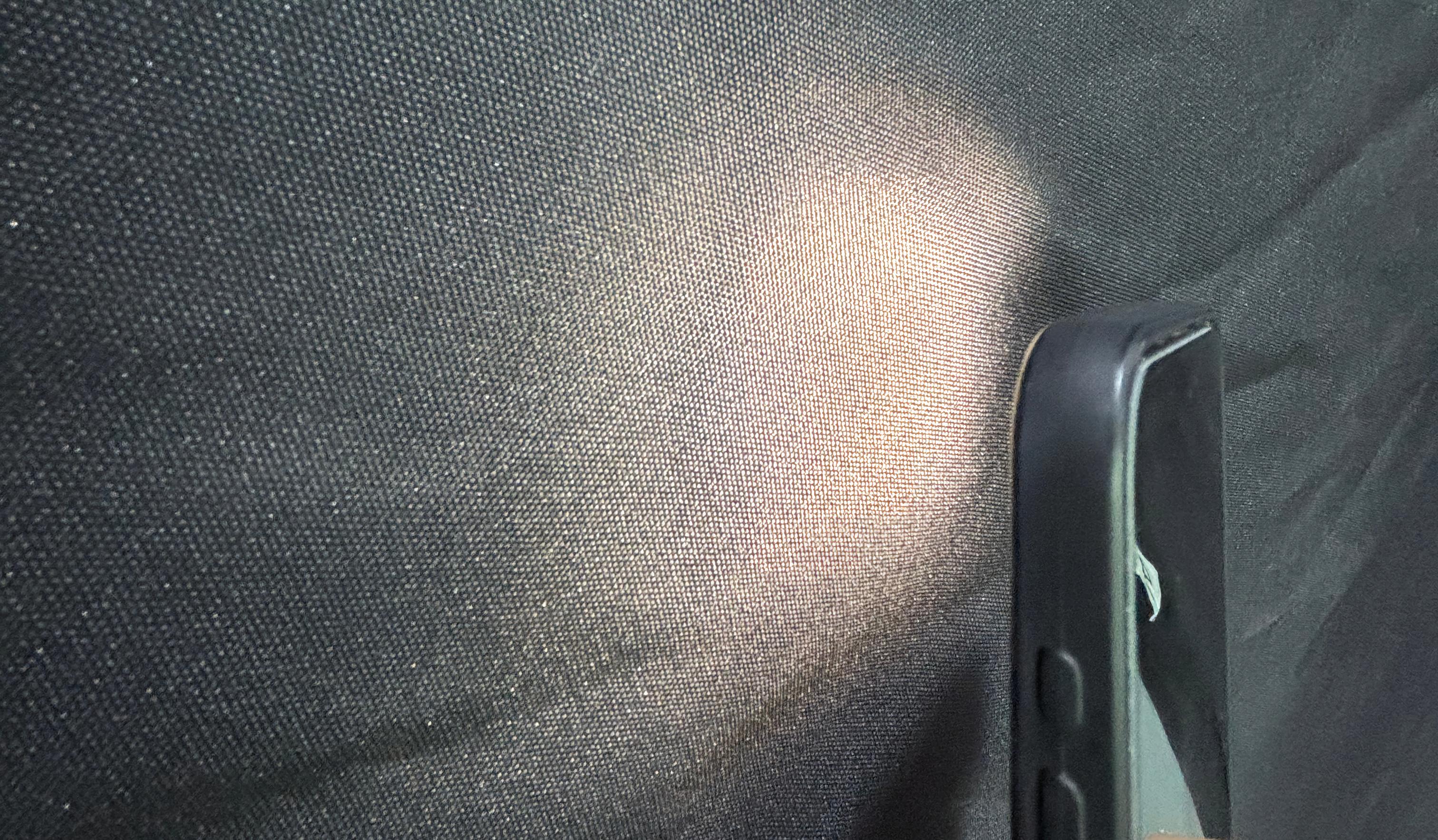
The most significant issue is light transmission. When the PVC coating layer is thin, room lighting and even projector spill light can pass through the enclosure panels. This creates visible light leakage on the outside, and more importantly, allows external light to enter the simulator space and wash out the projected image.
The second problem is specular reflection. PVC surfaces tend to have a smooth, semi-glossy finish. When stray projector light hits the surround panels, it bounces off at concentrated angles, producing bright glare spots inside the enclosure. These reflections can appear in the player's peripheral vision, reducing focus and immersion during simulation.
For simulator environments that require clean visual quality, PVC enclosure fabric often introduces more light problems than it prevents.
Velvet (Flocked) Enclosure Fabric — Diffuse Reflection and Light Scattering
Velvet or flocked fabric is sometimes chosen for simulator enclosures because of its soft, dark appearance and perceived light-absorbing qualities. However, its actual optical performance in a simulator environment can be disappointing.
The surface of velvet consists of millions of tiny upright fibers. While these fibers do trap some light, they also scatter reflected light in all directions — a phenomenon known as diffuse reflection (Lambertian scattering).
Instead of a sharp glare spot like PVC produces, velvet creates a widespread, soft glow across the enclosure surface when projector light spills onto it. This scattered light fills the interior of the simulator space with a subtle but noticeable haze, reducing the contrast between the projected image and the surrounding dark environment.
The effect becomes especially visible in darker simulation scenes or in rooms with limited space where the surround panels are close to the projector. Although velvet appears dark to the eye under casual observation, its fiber structure redirects light energy rather than truly absorbing it.
What Makes a Good Light-Absorbing Enclosure Fabric?
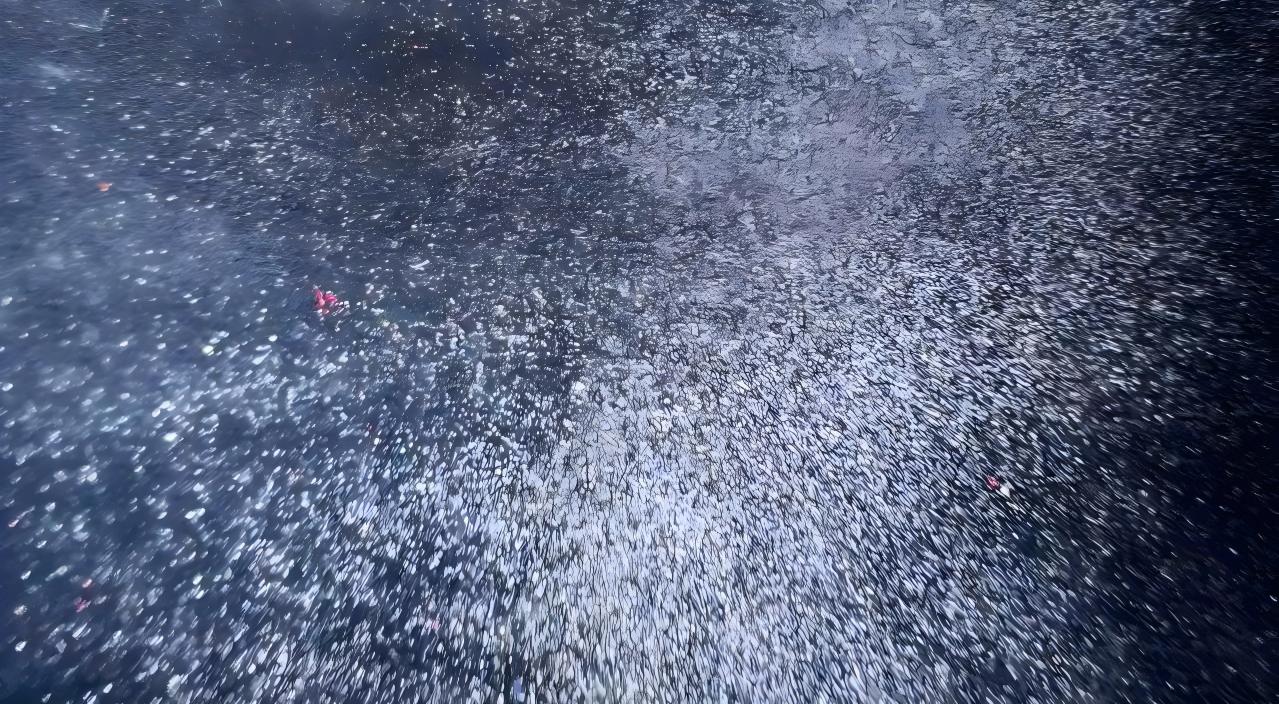
The ideal enclosure surround fabric should absorb as much stray light as possible, creating a dark, non-reflective environment that allows the projected image to stand out with maximum contrast and clarity.
From a material science perspective, the following characteristics contribute to superior light absorption in enclosure applications:
- Dark pigment-loaded coatings — Materials with carbon black or similar dark pigments embedded in their coating layer convert incoming light energy into heat rather than reflecting it back. PU coatings with high pigment loading are among the most effective options.
- Matte micro-textured surfaces — Surface roughness at the microscopic level disrupts organized light reflection. The more irregular and non-glossy the surface, the less visible glare is produced inside the enclosure.
- Dense, fully opaque base structures — A tightly woven or heavily coated base fabric prevents any light from passing through the surround panels, completely eliminating light leakage between the simulator space and the outside room.
- Multi-layer composite construction — Some advanced enclosure materials use layered non-woven or coated composite structures that trap and dissipate light energy internally before it can escape the surface.
In practical simulator applications, matte-finished PU fabrics with optimized coating density currently offer the best balance of light absorption, low reflection, complete opacity, and long-term durability for enclosure surround panels.
Quick Comparison: Enclosure Fabric Light Performance
The enclosure fabric is not just a barrier — it is a light management tool.
Choosing the right surround material directly determines the visual clarity inside your simulator.
Make the Right Choice for Your Simulator Enclosure
Whether you are building a personal golf simulator room, a commercial training center, or an entertainment venue, the enclosure surround fabric plays a much bigger role than most people realize.
Understanding how different materials handle reflection, light leakage, and absorption is essential for creating a professional-grade simulator environment with clear, high-contrast projection.
If you are unsure which enclosure fabric best suits your specific project, or if you would like to request material samples to compare light performance in your own setup, we are here to help.
Need help choosing the right enclosure fabric?
Contact us to discuss your simulator project, request fabric samples, or get professional recommendations based on your specific space and lighting conditions.
Send us a message — we respond within 24 hours.